Healthcare Workers
balance
Half of our life is spent at work. In medicine, it is common to see work and careers become our identity. Chronic stress has a direct effect on cortisol levels and decreases norepinephrine, which is needed to feel alert. With lowered dopamine hits and a decrease in serotonin, it becomes increasingly challenging to experience enjoyment and be in a “good mood.” In therapy, we can establish gratitude, self-compassion and presence.
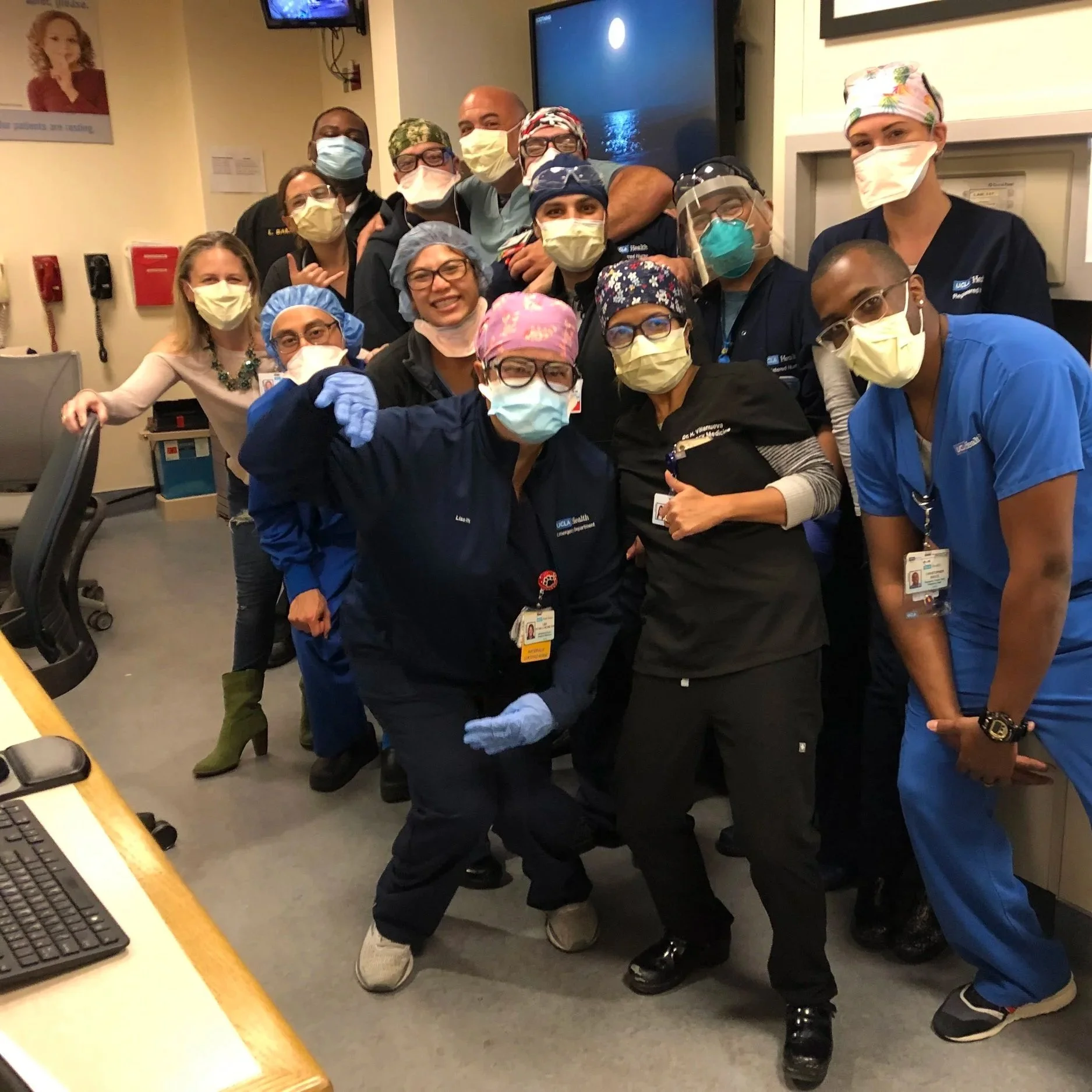
Providing trauma-informed treatment to healthcare workers and first responders, especially physicians, nurses, firefighters and police, has become a specialty out of pure exposure to these professions over the past 28 years. In therapy, we will address the unique stressors to those working in high-stakes environments like burnout, trauma and moral injury. Due to working in hospital settings for over 28 years, I have developed a specialized understanding of the intense pressures, long hours, emotional toll and unique workplace dynamics that exist within the fields of medicine and law enforcement. With chronic changes in shifts, work hours, etc, I offer flexible formats and evening session times to address the specialized time management needs of those engaged in shift work. Of the upmost importance is confidentiality. Over the years, I have heard concerns raised about diagnosis or substance use disorders showing up in medical records. As a private pay clinician, I can address how critical it is for healthcare professionals to feel safe and reduce hesitancy to seek help due to stigma or licensing concerns.
In addition to my private practice, I have been working as the Clinical Coordinator for a university Physician Health Committee for the past 5 years. This has afforded me a front row seat to the specialized journey required to become a physician. This demanding career path requires personal sacrifices and takes a toll on physical and mental health, relationships, and social energy. My detailed understanding of witnessing career paths in medicine and law enforcement allows the physician, nurse, firefighter or police officer to settle into therapy without the need to describe at length what their work entails.
Experience/Trainings
Noxious People: Living and Working with High-Conflict Individuals February 2013
Screening, Brief Intervention, and Referral to Treatment (SBIRT) Training for Trauma, Emergency Department, and Primary Care Personnel June 2009